
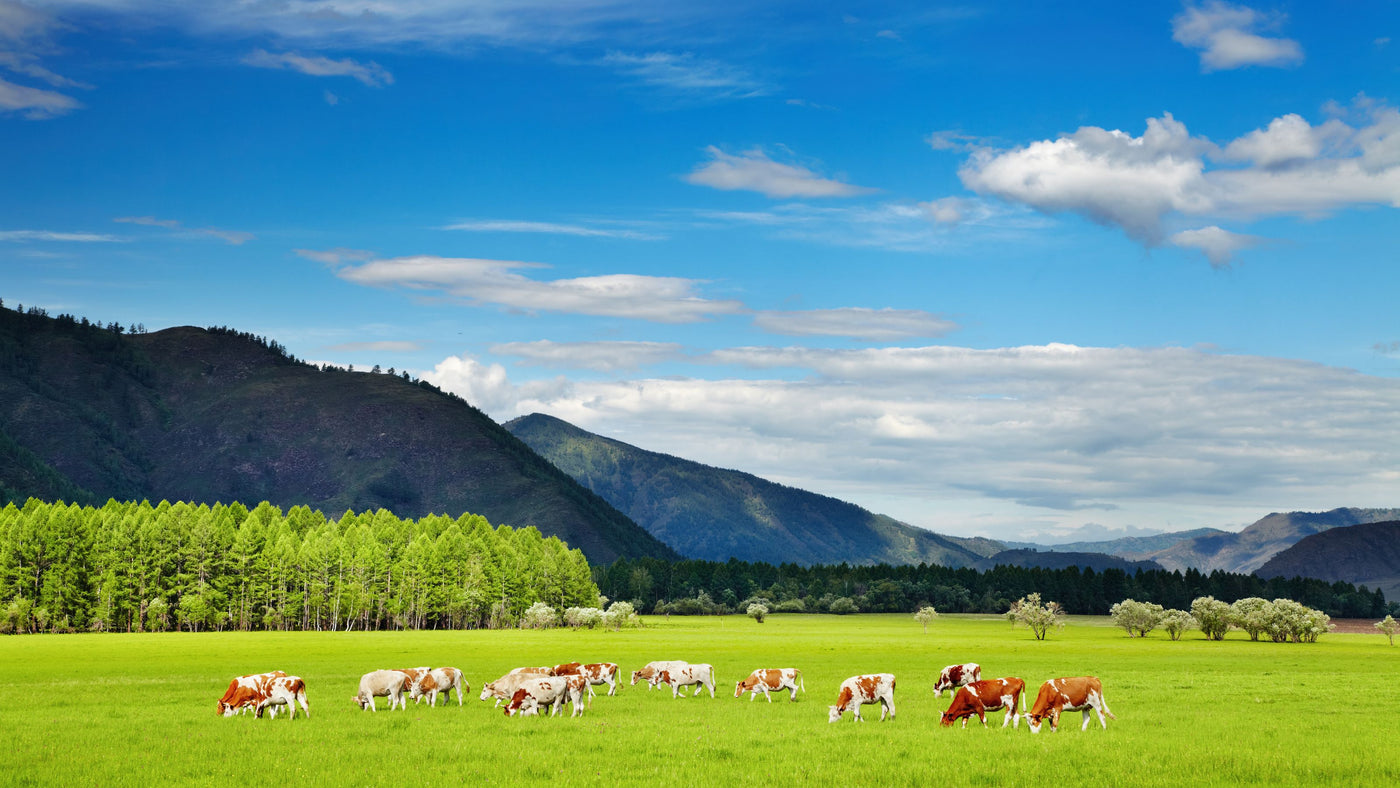
Whether you're overseeding your pasture, preparing hay, or making silage, Purity Feed offers specially formulated forage seed blends designed for optimal performance. Our seed varieties are carefully chosen to thrive in British Columbia's unique geography and diverse micro-climates, ensuring reliable results for local conditions.
At Purity Feed, we prioritize your animals' health and well-being. Our forage blends are specifically crafted without grass varieties prone to fungal endophytes, an internal plant fungus known for producing harmful alkaloids that negatively affect grazing livestock. All our Tall Fescue and Perennial Ryegrass blends contain only endophyte-free or novel endophyte varieties, allowing you to plant with confidence.
Trust Purity Feed to provide premium forage seeds that support animal health and maximize yields.
Featured Forage Seed
Purity Horse And Sheep Pasture Mix
Purity Horse And Sheep Pasture Mix
A well-balanced, high-quality pasture blend specifically formulated for horses and sheep in Coastal BC. This mix does not contain legumes; however, legumes can be included upon request.
- 25% Tall Fescue (Zero Endophyte)
- 25% Tetraploid Perennial Ryegrass
- 20% Creeping Red Fescue
- 5% Orchardgrass
- 10% Timothy
- 5% Kentucky Bluegrass
Seeding Rate: 30 – 44 lb per acre | 33.6-50 kg per hectare
Hay and Forage Mix
Hay and Forage Mix
A premium-quality blend of Tall Fescue and Orchardgrass, ideal for use as pasture, hay, or silage.
- 70% Tall Fescue (Zero Endophyte)
- 30% Orchardgrass
Seeding Rate: 30 – 44 lbs per acre | 33.6-50 kg per hectare
Contact us today to learn more about the best seeds forage blend for your land and livestock

Description
Description
Irrigated Pasture Seed Mix - Premium 6-Species Blend for Livestock & Horses
Establish lush, productive pasture with this expertly formulated multi-species seed mix designed specifically for irrigated pastures in British Columbia and similar climates.
Seed Blend Composition:
- Orchardgrass: Highly palatable, drought-tolerant perennial that provides excellent nutrition and regrows quickly after grazing
- Meadow Fescue: Endophyte-free variety that's safe for all livestock, offers superior winter hardiness and consistent yields
- Perennial Ryegrass: Fast-establishing grass that provides quick ground cover and high-quality forage
- Timothy: Premium hay grass known for exceptional palatability, ideal for horses and dairy cattle
- Alfalfa: Nitrogen-fixing legume that enriches soil while providing protein-rich forage
- White Clover: Low-growing legume that improves soil fertility and adds nutritional value
Key Benefits:
- Endophyte-Free: Safe for all livestock including horses, pregnant mares, and breeding stock
- Multi-Species Diversity: Provides balanced nutrition, extends grazing season, and improves pasture resilience
- Optimized for Irrigation: Species selected to thrive with regular water availability and produce maximum yields
- Quick Establishment: Blend includes fast-germinating species for rapid ground cover
- Long-Lasting Stand: Perennial varieties ensure years of productive grazing
- Soil Health: Legumes naturally fix nitrogen, reducing fertilizer requirements
- Climate Adapted: Formulated for BC's coastal and interior climates
Ideal For:
- Horse pastures and paddocks
- Dairy and beef cattle operations
- Sheep and goat grazing areas
- Irrigated hay production
- Pasture renovation and overseeding
Planting Guidelines:
- Seeding Rate: 25-30 lbs per acre for new seeding; 15-20 lbs per acre for overseeding
- Best Planting Time: Early spring or late summer/early fall
- Soil Preparation: Well-prepared seedbed with good drainage
- Depth: Plant 1/4 to 1/2 inch deep
- Irrigation: Keep soil moist until establishment (2-3 weeks)
This premium seed mix is sourced from Premier Pacific Seeds, a trusted name in quality forage seed for Western Canada. Each 50lb bag covers approximately 1.5-2 acres depending on seeding rate.


Description
Description
Premium Pasture Mix for Horses and Sheep
Specially formulated for equine and ovine grazing, this nutrient-rich pasture blend delivers superior forage quality and palatability. Perfect for BC ranchers and hobby farmers seeking a safe, productive pasture solution.
Seed Composition:
- 25% Tall Fescue (Endophyte-Free) – Safe for horses, drought-tolerant
- 25% Tetraploid Italian Ryegrass – Fast establishment, high palatability
- 20% Creeping Red Fescue – Durable ground cover, shade-tolerant
- 10% Timothy – Premium hay quality, excellent nutrition
- 5% Orchardgrass – High yield, persistent growth
- 5% Kentucky Bluegrass – Dense sod, wear-resistant
Key Benefits:
- Endophyte-free tall fescue ensures safe grazing for horses
- Balanced blend supports rotational grazing and pasture longevity
- Thrives under irrigation with proper stand management
- Dual-purpose: excellent for grazing or hay production
- Ideal for BC climate and soil conditions
Best Practices:
Works well under irrigation and moderate dryland conditions. Not recommended for intense continuous grazing in dryland settings. Can be harvested as hay when animals are not present.
Seeding Rate: 30–44 lb per acre | 33.6–50 kg per hectare

Description
Description
Transform your soil health and extend your grazing season with Annual Forage Pro, a scientifically formulated 7-species cover crop blend designed for multi-use applications including silage, dry hay, grazing, and soil regeneration. Ideal for progressive farmers committed to regenerative agricultural practices.
Key Features & Benefits:
- Multi-Use Versatility: Harvest as silage, cut for dry hay, or graze directly - adapt to your operation's needs and market conditions
- Extended Grazing Season: Provides high-quality forage well into late fall and early winter (November-December in many regions)
- Regenerative Agriculture Champion: Specifically designed to support soil health, biodiversity, and sustainable farming practices
- Soil Organic Matter Builder: Diverse root systems and plant residues significantly increase soil organic matter content
- Erosion Control: Fast-establishing species provide rapid ground cover to protect soil from wind and water erosion
- Weed Suppression: Dense, multi-species canopy outcompetes weeds and reduces herbicide requirements
- Enhanced Water Absorption: Deep-rooted species improve soil structure and water infiltration, reducing runoff
- Nitrogen Fixation: Legume components naturally fix atmospheric nitrogen, reducing fertilizer costs for following crops
- Full Season Coverage: Provides continuous ground cover and forage production throughout the growing season
7-Species Blend Composition:
- 5% Kale: Nutrient-dense brassica that provides high-quality late-season grazing and deep taproot breaks up compacted soil layers
- 13% Tillage Radish: Bio-drill with massive taproot that penetrates compaction, scavenges nutrients, and improves soil structure
- 20% Common Annual Ryegrass: Fast-establishing grass that provides quick ground cover, erosion control, and high-quality forage
- 20% Crown Millet: Warm-season grass that produces abundant biomass, suppresses weeds, and provides summer forage
- 12% Crimson Clover: Nitrogen-fixing legume that adds protein to forage mix and improves soil fertility
- 10% Forage Turnip: Palatable brassica that provides excellent fall and winter grazing while improving soil health
- 20% Hairy Vetch: Cold-hardy nitrogen-fixing legume that provides ground cover, adds protein, and fixes significant nitrogen for following crops
Ideal For:
- Regenerative agriculture operations focused on soil health and sustainability
- Extended fall and winter grazing programs
- Emergency or supplemental forage production
- Cover crop between cash crops
- Soil improvement and compaction remediation
- Erosion control on vulnerable fields
- Organic farming systems
- Diversified livestock operations
Regenerative Agriculture Benefits:
Annual Forage Pro is specifically designed to support regenerative farming practices:
- Increases Soil Organic Matter: Diverse plant species with varying root structures add significant organic carbon to soil
- Reduces Soil Erosion: Continuous ground cover protects soil from wind and water erosion year-round
- Suppresses Weeds: Multi-species competition and dense canopy reduce weed pressure without herbicides
- Improves Water Infiltration: Deep roots create channels for water movement, reducing runoff and increasing soil moisture retention
- Breaks Compaction: Tillage radish and kale taproots penetrate hardpan layers, improving soil structure
- Fixes Nitrogen: Crimson clover and hairy vetch fix 100-150 lbs of nitrogen per acre, reducing synthetic fertilizer needs
- Enhances Biodiversity: Multiple plant species support diverse soil microbial communities and beneficial insects
- Scavenges Nutrients: Deep-rooted species capture residual nutrients, preventing leaching and recycling them for next crop
Multi-Use Applications:
- Silage Production: Harvest at optimal maturity for high-quality, protein-rich silage for cattle
- Dry Hay: Cut and cure for nutritious hay with excellent protein content from legume components
- Direct Grazing: Graze cattle, sheep, or goats from establishment through late fall/early winter
- Green Chop: Cut and haul fresh to livestock for maximum nutrition
- Cover Crop: Plant after cash crop harvest, graze or terminate, then plant next crop into improved soil
Extended Grazing Season:
One of Annual Forage Pro's standout features is its ability to provide quality grazing well into winter:
- Kale and turnips remain palatable and nutritious after frost
- Brassicas actually sweeten after frost, increasing palatability
- Customers report successful grazing through November and December
- Reduces hay feeding costs by extending pasture season
- Provides high-quality nutrition when other forages are dormant
- Cold-hardy species continue growing in cool fall temperatures
Planting Guidelines:
- Seeding Rate: 45-60 lbs per acre (higher rates for maximum biomass and soil coverage)
- Best Planting Time: When soil temperature reaches 6-10°C (43-50°F) - typically late spring to mid-summer
- Soil Preparation: Firm, weed-free seedbed for optimal germination
- Depth: Plant 1/4 to 1/2 inch deep; brassicas and legumes prefer shallow seeding
- Inoculation: Inoculate legume components for optimal nitrogen fixation
- Moisture: Adequate soil moisture critical for establishment
- Timing: Can be planted after cereal harvest for fall/winter grazing
Management Tips:
- Grazing: Begin when plants reach 8-12 inches; use rotational grazing to prevent overgrazing
- Silage: Harvest when grasses are at boot stage and legumes are flowering for optimal quality
- Hay: Cut before grasses head out for maximum protein and palatability
- Bloat Management: Introduce cattle gradually to legume-rich forage; provide dry hay alongside grazing
- Winter Grazing: Brassicas are safest to graze after hard frost; strip-graze to reduce waste
- Termination: Can be winter-killed, grazed down, or terminated mechanically/chemically before next crop
Soil Health Improvements:
Expect these soil health benefits from Annual Forage Pro:
- Increased soil organic matter: 0.5-1% increase with repeated use
- Improved soil structure and aggregation
- Enhanced water infiltration rates (50-100% improvement possible)
- Reduced compaction in top 12-18 inches of soil
- Increased microbial biomass and diversity
- Improved nutrient cycling and availability
- Reduced erosion and nutrient runoff
Expected Performance:
- Germination: 7-14 days depending on species and conditions
- Grazing Ready: 45-60 days after planting
- Biomass Production: 3-6 tons per acre (dry matter equivalent)
- Nitrogen Fixation: 100-150 lbs N per acre from legume components
- Grazing Season: From establishment through November-December (climate dependent)
- Forage Quality: High protein (15-20%) and energy content
Nutritional Value (Grazing/Forage):
- Crude Protein: 15-20% (high legume and brassica content)
- Energy: High TDN (Total Digestible Nutrients)
- Palatability: Excellent - livestock show strong preference
- Digestibility: Superior, especially brassica and legume components
- Minerals: Brassicas provide excellent mineral content
Crop Rotation Benefits:
Annual Forage Pro improves yields of following crops:
- Nitrogen credit: 50-100 lbs N available for next crop
- Improved soil structure enhances root development
- Reduced weed pressure decreases herbicide needs
- Disease and pest cycle interruption
- Enhanced water availability for following crop
- Excellent preceding crop for cereals, corn, or other cash crops
Climate & Soil Adaptation:
- Adapts to wide range of soil types
- Performs well in cool-season climates
- Tolerates light frost (brassicas and hairy vetch are cold-hardy)
- Suitable for both dryland and irrigated systems
- Works in diverse climate zones across Canada and northern US


Description
Description
Transform your farm with Full Season Covers & Co., a scientifically designed blend of warm and cool season plant species that delivers year-round soil coverage, exceptional forage production, and significant environmental benefits. Built on the principles of regenerative agriculture, this versatile seed mix provides multiple revenue streams while improving soil health, capturing carbon, and enhancing biodiversity.
💰 ELIGIBLE FOR GOVERNMENT FUNDING - On-Farm Climate Action Fund (OFCAF)
Full Season Covers & Co. qualifies for the $200 million, 3-year On-Farm Climate Action Fund (OFCAF) program! This federal initiative supports farmers in adopting beneficial management practices including:
- Increasing biodiversity
- Capturing soil carbon
- Improving soil health
- Reducing greenhouse gas emissions
The application process is straightforward - don't miss this opportunity to get financial support for practices that improve your farm's profitability and sustainability!
Key Features & Benefits:
- Warm & Cool Season Species: Diverse blend provides continuous ground cover and forage production from spring through fall
- Multi-Use Versatility: Excellent for grazing, silage production, or as a dedicated cover crop for soil improvement
- Low Input Requirements: Requires minimal tillage and very low fertilizer inputs, reducing production costs
- Regenerative Agriculture Principles: Designed to build soil health, increase biodiversity, and capture atmospheric carbon
- Excellent Fodder Quality: Provides nutritious forage for livestock whether grazed or harvested as silage
- Soil Health Builder: Diverse root systems improve soil structure, increase organic matter, and enhance microbial activity
- Carbon Sequestration: Captures and stores atmospheric carbon in soil, contributing to climate change mitigation
- Biodiversity Enhancement: Multiple plant species support diverse soil organisms, beneficial insects, and wildlife
- Erosion Control: Continuous ground cover protects soil from wind and water erosion year-round
- Weed Suppression: Dense, multi-species canopy outcompetes weeds naturally
Regenerative Agriculture Benefits:
Full Season Covers & Co. is specifically formulated to support regenerative farming practices that restore and enhance your land:
- Builds Soil Organic Matter: Diverse plant species with varying root depths add significant carbon and organic matter to soil
- Improves Soil Structure: Root diversity creates channels for air and water movement, reducing compaction
- Enhances Water Infiltration: Improved soil structure increases water absorption and reduces runoff
- Increases Nutrient Cycling: Deep-rooted species capture nutrients from subsoil and make them available to following crops
- Supports Soil Biology: Diverse plant species feed diverse microbial communities, enhancing soil health
- Reduces Synthetic Inputs: Healthier soil requires less fertilizer, herbicide, and tillage
- Sequesters Carbon: Plants capture atmospheric CO2 and store it in soil as stable organic matter
- Promotes Biodiversity: Multiple plant species support beneficial insects, pollinators, and wildlife
Multi-Use Applications:
- Grazing: Provides high-quality forage for cattle, sheep, and goats from establishment through fall
- Silage Production: Harvest for nutritious, protein-rich silage for winter feeding
- Cover Crop: Plant after cash crop harvest to protect and improve soil over winter
- Green Manure: Incorporate to add organic matter and nutrients to soil
- Soil Improvement: Use as dedicated cover crop to remediate compaction, build fertility, and enhance soil health
Warm & Cool Season Advantage:
The combination of warm and cool season species provides unique benefits:
- Cool Season Species: Establish quickly in spring, provide early forage, and resume growth in fall
- Warm Season Species: Thrive during summer heat when cool season grasses slow down, maintaining continuous coverage
- Extended Production: Continuous forage availability from spring through fall freeze-up
- Year-Round Soil Protection: No gaps in ground cover means continuous erosion control and carbon capture
- Diverse Root Systems: Different rooting depths and patterns maximize soil improvement
Low Input, High Return:
Full Season Covers & Co. is designed for efficiency and profitability:
- Minimal Tillage: Can be no-till drilled or broadcast, reducing fuel costs and soil disturbance
- Low Fertilizer Needs: Legume components fix nitrogen; diverse species scavenge existing nutrients efficiently
- Reduced Herbicide Use: Dense growth suppresses weeds naturally, reducing chemical inputs
- Multiple Revenue Streams: Graze, harvest for silage, or use as cover crop depending on market conditions
- Improved Following Crops: Enhanced soil health and fertility boost yields of subsequent cash crops
Planting Guidelines:
- Seeding Rate: 40-60 lbs per acre (depending on application and desired density)
- Best Planting Time: Spring after last frost or late summer after cash crop harvest
- Soil Preparation: Firm seedbed; can be no-till drilled or broadcast with light incorporation
- Depth: Plant 1/4 to 1/2 inch deep; shallow seeding for small-seeded species
- Inoculation: Inoculate legume components for optimal nitrogen fixation
- Fertility: Minimal inputs required; soil test to address major deficiencies
Management Tips:
- Grazing: Begin when plants reach 8-12 inches; use rotational grazing to prevent overgrazing
- Silage: Harvest when warm season species are at boot stage for optimal yield and quality
- Cover Crop: Allow to grow until frost kill or terminate mechanically/chemically before next crop
- Fertility: Minimal nitrogen needed due to legume components; apply phosphorus and potassium based on soil test
- Weed Control: Dense growth provides natural weed suppression; spot-treat problem areas if needed
Expected Performance:
- Establishment: Quick germination (7-14 days) and rapid ground cover
- Biomass Production: 4-7 tons per acre (dry matter equivalent) depending on growing season and management
- Grazing Season: From establishment through fall freeze-up
- Nitrogen Fixation: 80-150 lbs N per acre from legume components
- Forage Quality: High protein (14-18%) and energy content
- Soil Improvement: Measurable increases in organic matter, water infiltration, and soil biology
Environmental Impact:
- Carbon Sequestration: Captures 1-3 tons of CO2 equivalent per acre annually
- Erosion Prevention: Reduces soil loss by 80-95% compared to bare ground
- Water Quality: Reduces nutrient runoff and protects waterways
- Biodiversity: Supports pollinators, beneficial insects, and soil organisms
- Climate Resilience: Improves soil's ability to withstand drought and extreme weather
On-Farm Climate Action Fund (OFCAF) Eligibility:
This seed mix qualifies for OFCAF funding under multiple beneficial management practices:
- Cover cropping for soil health improvement
- Carbon sequestration through regenerative practices
- Biodiversity enhancement
- Reduced tillage systems
- Improved nutrient management
The application process is straightforward - contact your provincial agriculture office or visit the OFCAF website for details. With $200 million available over 3 years, this is an excellent opportunity to get financial support for practices that benefit both your farm and the environment!
Nutritional Value (Forage/Silage):
- Crude Protein: 14-18% (depending on species maturity at harvest)
- Energy: High TDN (Total Digestible Nutrients)
- Digestibility: Excellent due to diverse species and leafy growth
- Palatability: Good to excellent - livestock readily consume the mix
- Ideal for: Beef cattle, dairy cattle, sheep, and goats
Crop Rotation Benefits:
Following crops benefit significantly from Full Season Covers & Co.:
- Nitrogen credit: 50-100 lbs N available for next crop
- Improved soil structure enhances root development
- Increased water holding capacity
- Reduced weed pressure
- Disease and pest cycle interruption
- Yield increases of 5-15% commonly observed in following crops
Why Choose Full Season Covers & Co.?
This isn't just a cover crop - it's a complete soil health and farm profitability solution. Whether you graze it, harvest it for silage, or use it purely for soil improvement, Full Season Covers & Co. delivers measurable benefits to your land and your bottom line. The combination of warm and cool season species ensures continuous productivity and soil protection throughout the growing season. Best of all, it qualifies for government funding through OFCAF, making it an even smarter investment in your farm's future.

Description
Description
Forage Pea Seed (Field Peas) - Premium Nitrogen-Fixing Legume for Livestock Feed & Soil Health
Boost soil fertility and produce high-protein livestock feed with forage peas, a versatile nitrogen-fixing legume that excels in cover crop mixtures, hay production, silage systems, and grazing applications. Ideal for regenerative agriculture and sustainable farming operations.
⚠️ IMPORTANT: Please call for current variety availability, sizes, and pricing - varieties and prices are subject to change without notice.
Key Features & Benefits:
- Nitrogen Fixation: Fixes 80-150 lbs of atmospheric nitrogen per acre, reducing fertilizer costs and improving soil fertility
- High Protein Content: Produces protein-rich forage (18-25% crude protein) ideal for dairy cattle, beef cattle, and other livestock
- Excellent in Mixtures: Works exceptionally well with barley, oats, triticale, or wheat for balanced forage production
- Multi-Use Versatility: Suitable for cover cropping, green manure, hay, silage, and grazing
- Soil Health Builder: Adds organic matter, improves soil structure, and enhances microbial activity
- Cool Season Crop: Thrives in spring and fall conditions, extending your forage production window
- Fast Establishment: Quick germination and vigorous early growth provide rapid ground cover
- Weed Suppression: Dense canopy suppresses weeds when planted in mixtures with cereals
- High Yield Potential: Produces 1-3 tons of dry matter per acre depending on growing conditions
Ideal For:
- Mixed forage production with cereal grains (barley, oats, wheat, triticale)
- High-protein hay and silage for dairy and beef cattle
- Cover cropping and green manure for soil improvement
- Grazing systems for cattle, sheep, and goats
- Nitrogen fixation in crop rotations
- Organic farming systems
- Regenerative agriculture practices
- Emergency or supplemental forage production
Why Mix Field Peas with Cereals?
Field peas perform best when grown in mixture with cereal grains - this combination provides multiple benefits:
- Physical Support: Cereal stems provide a trellis for pea vines to climb, keeping forage off the ground where it's less likely to rot
- Winter Protection: Cereal crop protects soil during winter when field pea growth is slow
- Balanced Nutrition: Peas provide protein, cereals provide energy - creating a complete livestock feed
- Improved Curing: Cereal stems help pea forage dry more evenly for hay production
- Higher Total Yield: Mixtures typically outyield pure pea stands
- Reduced Lodging: Cereals keep peas upright, making harvest easier
- Weed Suppression: Dense mixed canopy outcompetes weeds more effectively
Recommended Cereal Companions:
- Barley: 60-80 lbs barley + 40-60 lbs field peas per acre
- Oats: 60-80 lbs oats + 40-60 lbs field peas per acre
- Triticale: 60-80 lbs triticale + 40-60 lbs field peas per acre
- Wheat: 60-80 lbs wheat + 40-60 lbs field peas per acre
Nitrogen Fixation Benefits:
As a legume, field peas naturally fix atmospheric nitrogen through symbiotic relationship with Rhizobium bacteria:
- Fixes 80-150 lbs of nitrogen per acre annually
- Reduces nitrogen fertilizer requirements for companion cereals
- Provides nitrogen credit (40-80 lbs N) for following crops
- Improves soil fertility for entire crop rotation
- Reduces input costs and environmental impact
- Essential component of organic and regenerative farming systems
Planting Guidelines:
- Seeding Rate:
- Pure Stand: 100-150 lbs per acre (not recommended - use mixtures)
- With Cereals: 40-60 lbs peas + 60-80 lbs cereal per acre
- Cover Crop: 60-100 lbs per acre (can be mixed with other species)
- Best Planting Time: Early spring as soon as soil can be worked (peas tolerate light frost)
- Soil Requirements: Well-drained soils; prefers pH 6.0-7.5
- Depth: Plant 1.5-2 inches deep
- Inoculation: Use fresh Rhizobium inoculant for optimal nitrogen fixation (critical for first-time pea planting)
- Fertility: Requires phosphorus and potassium; minimal nitrogen needed due to fixation
- Germination: 7-14 days depending on soil temperature and moisture
Management Tips:
- Inoculation: Always inoculate seed with proper Rhizobium inoculant, especially if peas haven't been grown in field recently
- Hay: Cut when peas are at early pod stage and cereals are at soft dough for optimal balance of yield and quality
- Silage: Harvest when cereals reach soft dough stage (25-30% dry matter) for best ensiling
- Grazing: Begin when plants reach 8-12 inches; introduce livestock gradually to prevent bloat
- Curing: Peas are succulent and more difficult to cure than pure cereal hay - allow adequate drying time
- Regrowth: Poor regrowth after cutting or grazing - typically grown as single-cut crop
Expected Performance:
- Dry Matter Yield: 1-3 tons per acre (pure stand); 3-5 tons per acre (in mixture with cereals)
- Maturity: 80-100 days depending on variety and growing conditions
- Nitrogen Fixation: 80-150 lbs N per acre
- Protein Content: 18-25% crude protein in forage
- Stand Life: Annual crop - does not overwinter in most Canadian climates
Nutritional Value (Forage):
- Crude Protein: 18-25% (excellent protein source for livestock)
- Energy: Good TDN (Total Digestible Nutrients)
- Digestibility: Excellent - highly digestible protein and energy
- Palatability: Good - livestock readily consume pea-cereal mixtures
- Ideal for: Dairy cattle (milk production), beef cattle, sheep, goats, and horses
Hay Production:
- Quality: Produces good quality hay with high protein content
- Curing Challenge: More succulent than vetches, requiring longer drying time and careful management
- Harvest Timing: Cut when peas are at early pod stage for optimal protein and palatability
- Cereal Benefit: Mixing with cereals improves curing by providing structure and air circulation
- Storage: Ensure hay is properly cured (below 18% moisture) before baling to prevent mold
Silage Production:
- Pea-cereal mixtures make excellent silage for dairy and beef cattle
- Harvest at soft dough stage of cereal for optimal dry matter (25-30%)
- High protein content from peas complements energy from cereals
- Good fermentation characteristics in mixture
- Balanced nutrition for livestock - reduces need for protein supplements
Grazing Management:
- Bloat Risk: Field peas can cause bloat - introduce livestock gradually and provide dry hay alongside grazing
- Timing: Begin grazing when plants reach 8-12 inches
- Stocking Rate: Adjust based on forage availability and livestock class
- Regrowth: Poor regrowth after grazing - typically grazed once then terminated or left for soil improvement
- Mixture Advantage: Cereal component reduces bloat risk compared to pure pea stands
Cover Crop & Green Manure:
- Excellent cover crop for building soil nitrogen and organic matter
- Can be planted after early cereals or vegetables
- Incorporate at flowering stage for maximum nitrogen contribution
- Provides 40-80 lbs nitrogen credit for following crop
- Improves soil structure and microbial activity
- Suppresses weeds and protects soil from erosion
Crop Rotation Benefits:
Following crops benefit significantly from field peas:
- Nitrogen credit: 40-80 lbs N available for next crop
- Disease cycle interruption (excellent break crop for cereals)
- Improved soil structure from root systems
- Reduced weed pressure
- Enhanced soil biology and microbial diversity
- Excellent preceding crop for wheat, barley, canola, or other crops
Soil Health Benefits:
- Fixes atmospheric nitrogen, reducing synthetic fertilizer needs
- Adds organic matter when incorporated or left as residue
- Improves soil structure with root systems
- Enhances beneficial soil microorganisms
- Increases water infiltration and holding capacity
- Reduces soil erosion with ground cover
Variety Selection:
We carry multiple forage pea varieties selected for different applications. Please call to discuss which variety is best suited for your operation based on:
- Your specific growing conditions and soil type
- Intended end use (hay, silage, grazing, or cover crop)
- Maturity requirements and growing season length
- Disease pressure in your area
- Yield potential and forage quality characteristics
- Lodging resistance and standability
Climate & Soil Adaptation:
- Cool season crop - thrives in spring and fall conditions
- Tolerates light frost during establishment
- Prefers well-drained soils with good fertility
- Adapts to wide range of soil types when properly managed
- Performs best with adequate soil moisture
- Suitable for BC Interior and similar climates
📞 CALL FOR AVAILABILITY: Varieties, sizes, and pricing are subject to change without notice. Contact us to discuss your specific needs, confirm current inventory, and get the latest pricing. Our knowledgeable staff can help you select the right variety and provide recommendations for seeding rates and companion crops.
Get in touch with our experts today to discover the ideal forage seed blend tailored to your land and livestock