

Cold weather can make caring for your flock tricky—especially when their water freezes. Chickens need constant access to fresh water, even in the coldest months, so frozen drinkers can quickly lead to health problems fast.
This guide is all about keeping your chickens safe and healthy in the cold. You'll learn how to keep water from freezing in your coop, even when it's freezing outside. We'll cover everything from simple tricks to keep water from freezing to using heated systems.
Keeping water unfrozen for your chickens doesn't have to be hard. Simple insulation tricks and smart placement can help a lot. For really cold days, there are also heated waterers that can keep water from freezing.
Key Takeaways
- Chickens need constant access to liquid water
- Placing waterers near heat sources helps prevent freezing
- Insulation can keep water unfrozen for hours longer
- Heated waterers are reliable for extreme Canadian winters
- DIY solutions can be cheaper than commercial ones
- Checking on your chickens regularly helps prevent dehydration
Understanding Winter Water Challenges for Your Flock
Your chickens face serious health risks when winter temperatures threaten their daily water supply. Cold weather chicken care demands constant attention to water availability. Even short periods without access to liquid water can trigger dangerous health complications in your birds.
Why Frozen Water Threatens Chicken Health
Dehydration strikes quickly when water freezes solid in your coop. Chickens need about 500ml of water daily, no matter the season. Without enough water, your flock's egg production drops within 24 hours.
Their immune systems weaken rapidly during water shortages. Stressed birds become vulnerable to respiratory infections and other diseases. They also struggle to regulate their body temperature without enough water.
Temperature Thresholds in Canadian Winter Conditions
Water starts freezing at 0°C, but the real danger is at -10°C. Below this, water containers freeze completely in hours. Freezing prevention for poultry is key when temperatures drop below -15°C for a long time.
Wind chill makes conditions worse. Your water containers may freeze faster during windy conditions, even at milder temperatures.
Recognizing Dehydration Signs in Cold Weather
Watch for these warning signs in your flock:
- Decreased egg production or complete stoppage
- Lethargy and reduced activity levels
- Pale or shrunken combs and wattles
- Hunched posture with ruffled feathers
Early detection prevents serious health complications. Act immediately when you notice these symptoms in your birds.
Preparing Your Coop's Water System for Winter
Winter-proofing your coop's water system is key before cold weather hits. Winterizing chicken water systems involves three main steps. These steps help prevent freezing and often avoid the need for complex heating.
Selecting the Optimal Water Container Placement
Where you place your water containers is critical. Put them in the warmest areas of your coop. Stay away from doors, windows, and vents where cold air comes in.
Use wooden blocks or platforms to raise containers 6 to 12 inches off the ground. This keeps frost from the ground from freezing the water faster. It also makes it easier for chickens to get to the water when it snows.
Insulating Water Lines and Containers
Insulated water containers help keep water from freezing longer. Wrap them with foam, old towels, or special covers. Make sure the drinking area is open for the birds.
For water lines, bury them 4 to 6 feet deep in cold areas. Insulate any parts above ground with heat tape and foam to stop freezing.
Choosing Deep-Base and Thermal Mass Waterers
Deep-base waterers freeze slower because they hold more water. Black rubber containers are great because they absorb solar heat during the day. This keeps water available longer.
For shallow waterers, add clean stones or marbles. They help keep the water warm by retaining heat. This is helpful during mild cold spells.
Active Solutions for Keeping Water from Freezing in Your Chicken Coop
Power-driven water heating methods keep water liquid even in very cold weather. These chicken coop water solutions make sure your chickens always have water, even when it's freezing.
Installing Heated Water Bases and Electric Waterers
Commercial heated chicken waterer systems are the most reliable against freezing. They have built-in thermostats that only turn on when needed. Most use between 100-250 watts of power.
Electric waterers also have safety features like automatic shut-offs and weatherproof housing. Always use GFCI-protected circuits to avoid electrical dangers in your coop's humid air.

Chicken Waterer | Heated 2 Gallon Poultry Drinker (Farm Innovators)
Freeze‑free hydration for up to 15 birds thanks to a built‑in, thermostatically controlled 60‑watt heater. Hang in the coop or place on a flat surface—durable bucket design keeps water flowing in sub‑zero temps.
View Product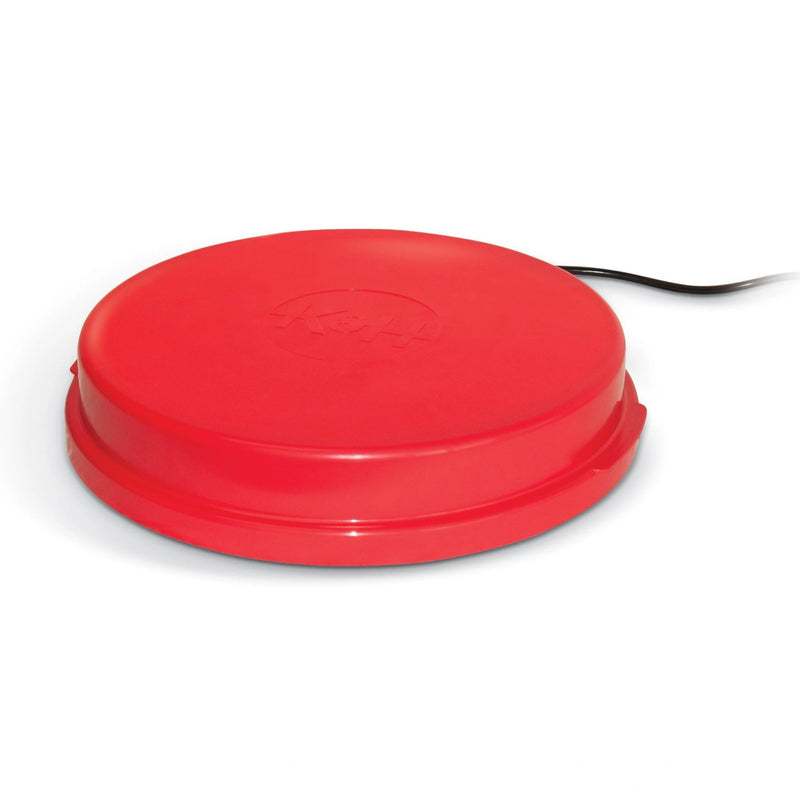
Chicken Waterer | Poultry Waterer 80W Deicer (K&H Pet Products)
Drop‑in deicer keeps poultry waterers ice‑free in sub‑zero temps. The 80W thermostatically‑controlled unit works with plastic or metal waterers and includes built‑in safety shutoff for efficient, reliable winter hydration.
View ProductCreating Safe DIY Heating Systems
There are affordable alternatives that work well with safety precautions. Submersible aquarium heaters in large containers can heat water safely. Heated dog bowls for outdoor use also work for chickens.
Heat lamp setups need careful positioning to warm water without fire risks. Use outdoor-rated extension cords and keep all connections off the ground.
Implementing Regular Water Change Schedules
Fresh water changes help heating systems by providing warmer water that freezes less. Change water twice a day with lukewarm temperatures. Never use hot water as it can shock your birds.
Change water in the morning and evening to match natural drinking times. This lets you watch how much water they drink and spot health issues early.
| Heating Method | Power Usage | Cost Range |
|---|---|---|
| Electric Base Heaters | 100-150 watts | $25-$60 |
| Heated Waterers | 150-250 watts | $40-$120 |
| Aquarium Heaters | 50-100 watts | $15-$35 |
| Heat Lamps | 75-250 watts | $20-$50 |
Fresh Water, Happy Hens—All Winter Long
Keeping chickens hydrated in Canadian winters is key. You need the right prep and techniques. This guide shows you how to keep water from freezing and keep your flock healthy.
Begin with simple steps like placing waterers right and insulating them. Use deep-base waterers and thermal mass containers for milder weather. When it gets really cold, heated bases and electric waterers are a must.
Chickens need water all the time to stay alive and lay eggs. Dehydration is a big risk in the cold. So, having reliable water systems is vital for their care. Keep an eye on your waterers to catch any issues early.
Pick methods that fit your climate and budget. Passive solutions are cheaper but might need extra heat in very cold weather. Active heating uses electricity but works well when it's needed most.
With the right planning and tools, you can keep water from freezing all winter. Your chickens will stay healthy and productive. You'll also have peace of mind during tough weather.
FAQ
At what temperature does chicken water typically freeze in Canadian winters?
Chicken water starts freezing at 0°C. But the real challenge is when temperatures drop below -10°C and stay there for a long time. In Canadian winters, you need to prevent water from freezing in your coop, mainly when it's cold for days or weeks.
How much water do chickens need during winter months?
Chickens need about 500ml of water every day in winter. This need doesn't go down, even when it's cold. In fact, they might need more water because they work harder to stay warm. So, it's very important to have unfrozen water available for them.
What are the best heated chicken waterer options for extreme Canadian winters?
For really cold weather, heated water bases and electric waterers are the best choices. These units use 100-250 watts and only turn on when it's about to freeze. Brands like API and Little Giant make good options that keep water warm without using too much energy.
Where should I place water containers in my coop to prevent ice in chicken waterer?
Put your waterers in the warmest spots in your coop. Avoid areas near doors, windows, or vents where cold air can get in. Also, place them 6-12 inches off the ground to stop frost from forming and make it easier for your birds to drink.
What are effective DIY solutions for keeping water from freezing in your chicken coop?
Good DIY ideas include using submersible aquarium heaters in big waterers or heated dog bowls for chickens. You can also use heat lamps to warm the water. Just remember to use outdoor-rated cords and keep them dry and safe from moisture.
How do insulated water containers help prevent freezing?
Insulating containers with foam, towels, or covers slows down heat loss. This means the water will freeze later. Make sure to leave the drinking area open and use black containers to absorb sunlight during the day.
What signs indicate my chickens are experiencing dehydration in winter?
Look for signs like less egg laying, being tired, pale combs and wattles, eating less, hunched posture, and spending a lot of time near heat. Catching these signs early helps prevent serious health problems in cold weather.
How often should I change water during winter to prevent freezing?
Change the water twice a day with warm, not hot, water when it's very cold. Changing it in the morning and evening helps keep the water from freezing for a few hours. This matches when chickens naturally drink.
Do deep-base waterers work better for freezing prevention for poultry?
Yes, deep-base waterers are great for keeping water from freezing in mild cold. They hold more water, which takes longer to freeze. Adding stones or marbles to shallow waterers also helps keep the water from freezing.
What electrical safety precautions should I take with heated water systems?
Make sure all electrical connections are weatherproof and use GFCI-protected circuits. Keep them dry and check for damage or wear regularly. This is important for safety in your coop.

